


How to Know When It’s Time to Replace Your Tires
If you’ve been wondering when to replace tires or how to tell if yours are getting a little too worn down, you’re not alone. Many drivers put off tire replacement because it’s not always easy to tell when it’s really necessary. At Boucher Chevrolet Waukesha, we help customers every day who come in asking, “Do I really need new tires?” The truth is, your tires are your car’s only point of contact with the road—and keeping them in good shape isn’t just about comfort, it’s about safety.
Schedule Service Here Find the Right Tires for Your Vehicle Explore Service Offers
Checking Tread Depth: The Easiest Way to Spot Worn Tires
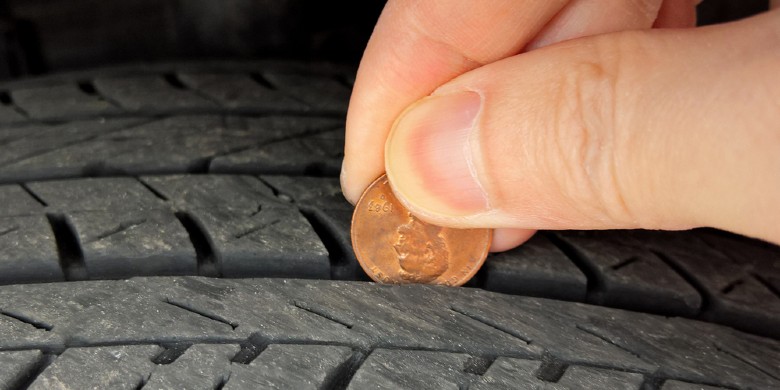
One of the simplest ways to know if it’s time for a replacement is by checking the tread. If you’re wondering how to check tire tread, there’s a quick test you can do at home: the penny test. Insert a penny into the tread groove with Lincoln’s head facing down. If you can see the top of his head, your tread depth is below 2/32 of an inch—and that means it’s time to shop for new tires.
What is a good tire tread depth? For most vehicles, new tires start around 10/32 to 11/32 of an inch. Once that number drops below 4/32, traction begins to decline, especially in rain or snow. Regular tread checks are one of the best ways to stay safe on Wisconsin’s unpredictable roads, and if you’re looking for a tire shop near me, our certified technicians at Boucher Chevrolet Waukesha are happy to take a look and measure it for you.
Understanding Tire Wear Patterns
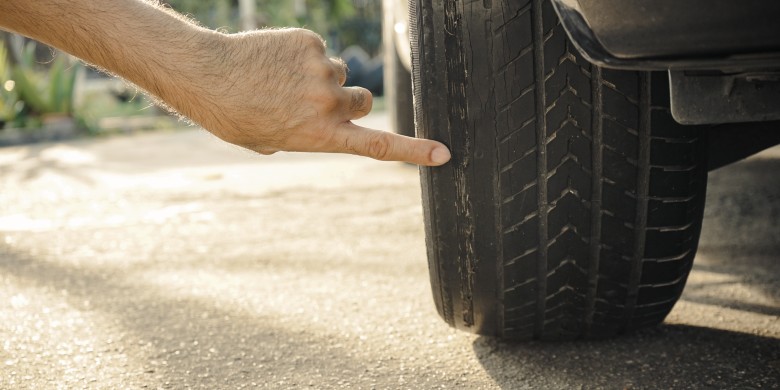
Sometimes, your tires wear unevenly, which can indicate alignment issues, suspension problems, or inconsistent air pressure. If one side of the tire looks more worn than the other, that’s not something to ignore. Uneven tread wear can cause your ride to handle poorly and significantly reduce the life of your tires.
Rotating your tires regularly is one of the easiest ways to prevent this. How often do you rotate tires? A good rule of thumb is every 5,000 to 8,000 miles—often at the same time as your oil change. If it’s been longer than that, it’s a good idea to visit our service department to have them checked out.
Tire Age: Even if They Look Fine, They May Not Be
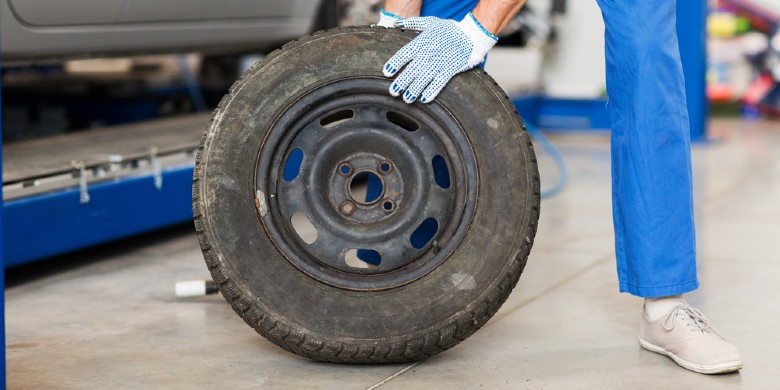
Even if your tires still have plenty of tread, they don’t last forever. Rubber breaks down over time due to heat, sunlight, and everyday wear. On average, how long do tires last? Most experts recommend replacing them every six years, even if the tread still appears to be in good condition. By the time they are ten years old, all tires should be replaced, regardless of condition.
If you’re unsure of your tire’s age, check the DOT code on the sidewall—it ends with a four-digit number indicating the week and year the tire was manufactured. For example, “2519” means the 25th week of 2019. If that number’s getting up there, it’s time to plan a visit to your local tire dealers near me, like Boucher Chevrolet Waukesha, to get a fresh set installed.
Cracks, Bulges, and Vibration: Warning Signs You Shouldn’t Ignore
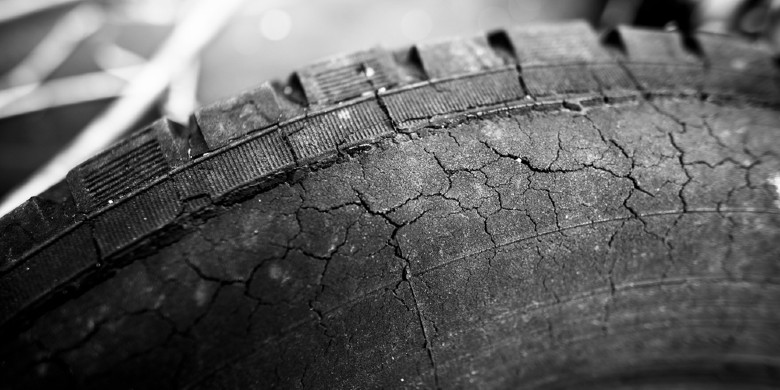
It’s not just tread and age that matter. Cracks, bulges, or excessive vibration are all red flags. Wondering “When are cracks in tire tread unsafe?” If you notice visible cracking on the sidewalls or between tread blocks, it’s a sign that the rubber is deteriorating. These cracks can lead to blowouts—especially at highway speeds.
Bulges or bubbles in the sidewall are also severe and usually mean internal damage. If your ride starts to vibrate or pull to one side while driving, that could be another indicator that your tires (or alignment) need attention. It’s always better to have a professional inspect them early rather than risk your safety later.
Why Replacing Your Tires Matters
Replacing worn or damaged tires isn’t just about avoiding flats—it’s about maintaining control. Fresh tires improve traction, braking distance, and overall handling. They also help you save on gas since your engine doesn’t have to work as hard to keep you rolling smoothly.
So, if you’re searching for how many miles do tires last or trying to figure out when to replace tires, think about more than just mileage. Your driving habits, road conditions, and even Wisconsin’s changing weather all play a role.
Whether you’re commuting daily, heading up north for a weekend getaway, or braving winter roads, having dependable tires can make all the difference. When in doubt, stop by Boucher Chevrolet Waukesha—your trusted tire shop near me—and our experts will help you find the right tires for your vehicle and your budget.
Schedule Service Here Find the Right Tires for Your Vehicle Explore Service Offers
FAQs About Tire Replacement
How long do tires last?
Most tires last between 40,000 and 60,000 miles, depending on driving conditions, maintenance, and the quality of the brand. Regular rotations and proper inflation can help extend their lifespan.
How often should I rotate my tires?
It’s best to rotate your tires every 5,000 to 8,000 miles—or about every other oil change. This ensures even wear across all four tires.
What is the tread depth of a new tire?
A new tire typically has a tread depth between 10/32” and 11/32”. Anything less than 4/32” is considered worn, and 2/32” is legally unsafe.
When are cracks in tire tread unsafe?
Small surface cracks may not pose an immediate danger, but deeper or spreading cracks indicate that the rubber is deteriorating and could fail soon. It’s best to replace cracked tires as quickly as possible.
What is a good tread depth for tires?
For safe driving in most conditions, aim to keep your tread depth above 4/32”. Below that, traction decreases—especially in wet or snowy weather.
0 comment(s) so far on How to Know When It’s Time to Replace Your Tires